Vision,Mission And Objectives
VISION
ACID envisions an inclusive and resilient society where individuals from underprivileged, marginalized and vulnerable communities attain dignity and self-reliance, leading empowered lives that actively foster sustainable social, economic, and psychological development.
MISSION
- TACID strives to build selfreliant rural and urban communities through a participatory approach that ensures equality, justice, and inclusivity.
- We provide opportunities for underprivileged, marginalized, and vulnerable communities to improve their lives, livelihoods, and socioeconomic status, with a strong focus on the empowerment and leadership of women.
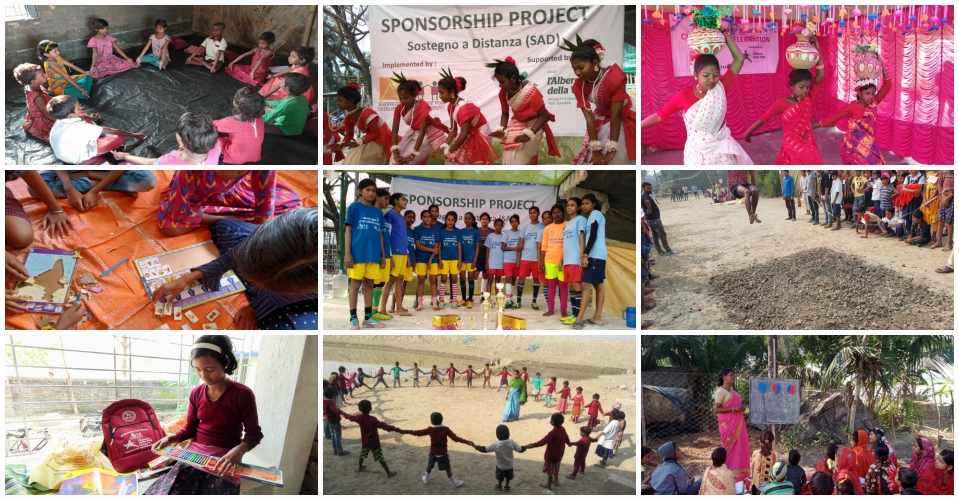
- We support children to enjoy a happy, healthy, and secure safe childhood and for their wellbeing, enabling them to grow as responsible citizens who contribute to the progress, resilience, and sustainable development of their communities.
OUR OBJECTIVES
- To support marginalized communities in urban and rural areas in accessing health, nutrition, education, WASH and housing services as well as to improve economic condition
- To render services to the communities for strengthening the mechanism of child protection and child education through field demonstration, adaptation and promotion of good practices and advocacy initiatives.
- To encourage youth to organize social, cultural and environmental activities that will expose them to different issues.
- To organize seminars, training, workshops, camps, exhibitions, exchange programmes for inculcating leadership and enhancing creativity.
- To encourage public opinion and create social awareness.
- To establish vocational training centres, educational institutions, hostels, old age homes, orphanages, youth clubs, sports clubs, libraries, etc for improving the living condition of the marginalized communities.
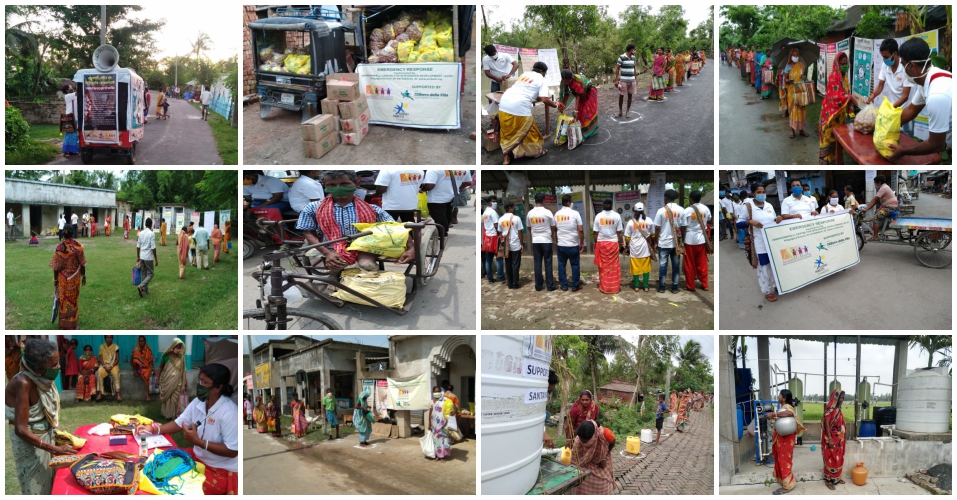
- To provide humanitarian assistance to the victims of disaster and to strengthen disaster preparedness in schools and communities in the disaster affected communities and areas.
- To provide legal aid services to the marginalized, aged and distressed people with special focus on women and children.


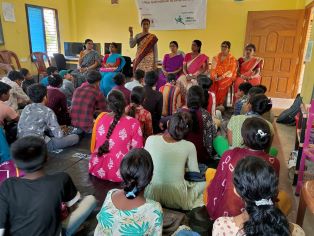 On 9 March 2026, the ACID team alongside ANMs, GNMs, ICDS representatives, and Anganwadi health workers conducted a comprehensive awareness session on reproductive health and menstruation for adolescent boys and girls.
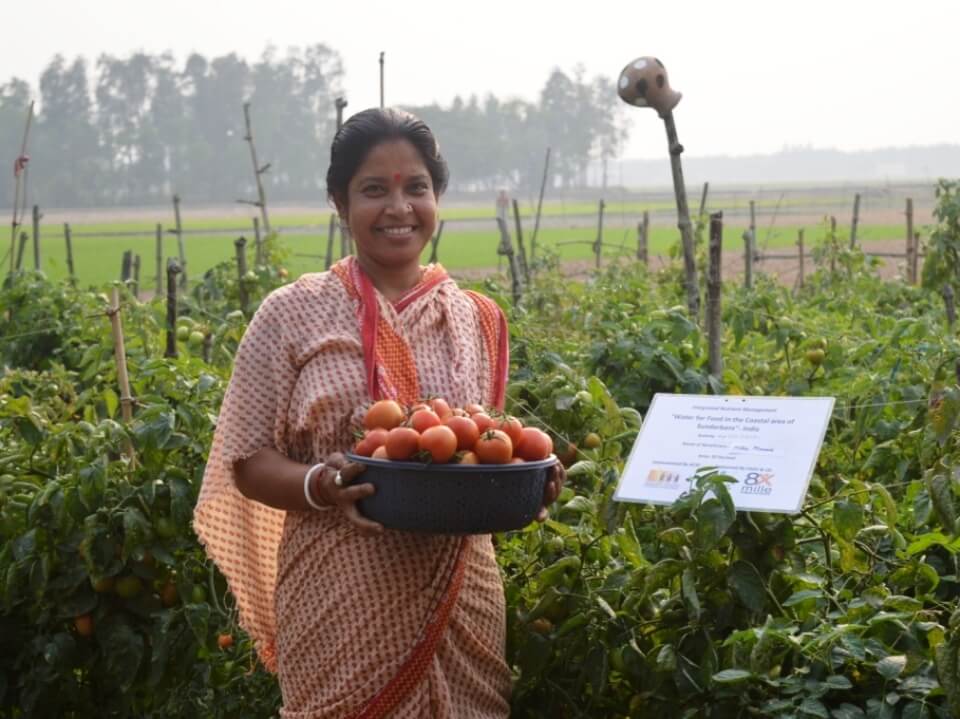
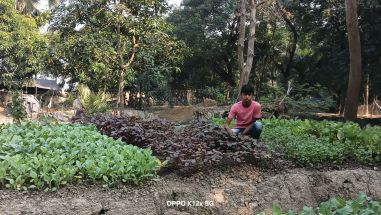 To combat malnutrition and enhance dietary health among sponsored children and their families, ACID has established homestead nutrition gardens across the intervention zone of Sundarbans. Recognizing that fresh produce is financially out of reach for many vulnerable households, the organization distributes seasonal vegetable seeds three times a year. This is paired with hands-on training in sustainable cultivation, empowering families to grow their own nutrient-rich food and diversify their daily meals.
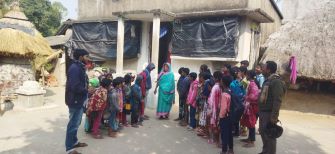 A 15-year-old Class X student in a remote Hingalganj village faced an arranged marriage to an older man due to poverty. Terrified of losing her dream to become a teacher, she confided in her fellow Child Cabinet members. The youth leaders alerted their teacher facilitators and visited the parents, explaining the health risks, school dropout consequences, and legal penalties of child marriage. When the parents resisted due to financial hardships, the Child Cabinet brought in local leaders and ACID staff for a structured counselling session. The intervention succeeded, the parents called off the wedding and pledged support through graduation. This year, the proactive safety net built by the Child Cabinet, ACID staff and teachers successfully prevented seven underage marriages, proving the power of youth led advocacy.
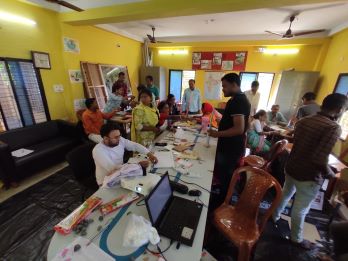 To foster innovation in the classroom, ACID conducted a professional development program, “Empowering Teachers Through New-Age Pedagogy,” during November–December 2025. The training equipped educators with modern, student centric approaches, including the 5E Model, Competency-Based Learning (CBL), Experiential-Based Learning (EBL), and Inquiry Based Learning (IBL). Through hands-on demonstrations, collaborative simulations, and practical classroom applications, teachers gained experience in designing engaging lesson plans that promote active learning, critical thinking, and skill development. Moving beyond traditional lecture-based instruction, the program encouraged educators to create dynamic learning environments that inspire curiosity, creativity, and meaningful student engagement. By integrating these progressive pedagogical practices, ACID and participating teachers have taken a significant step toward building future-ready classrooms and enhancing learning outcomes for every student.
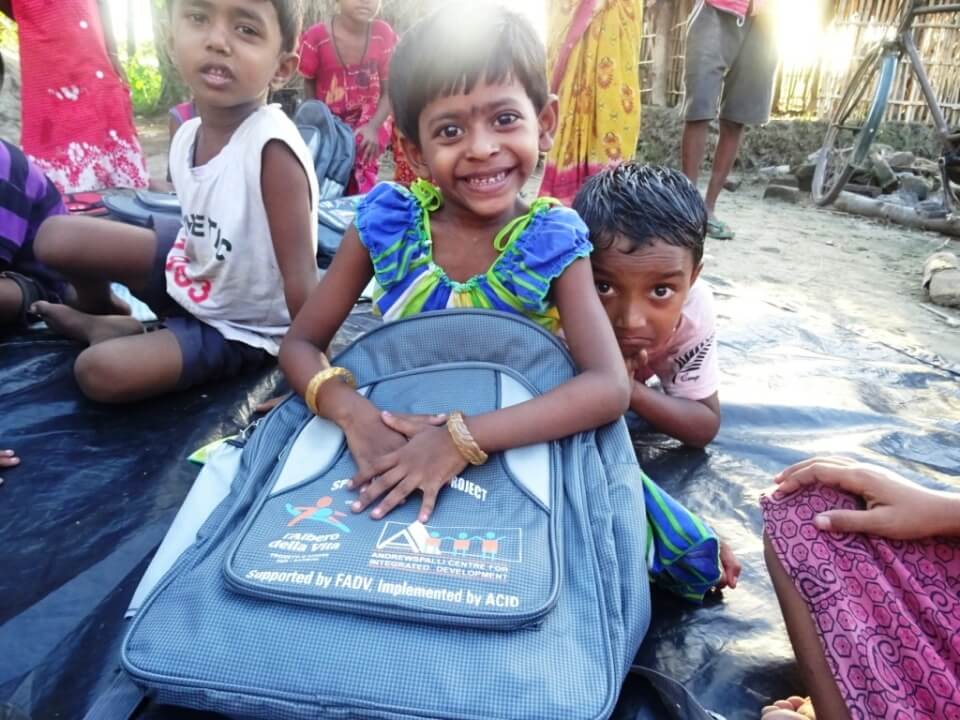
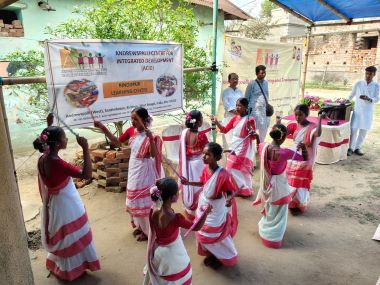 On 15 March 2026, the Seva Vibhaga of Patha Bhavana School, Visva-Bharati, organized an enriching Village Visit Program for 65 senior students, facilitated by the Andrewspalli Centre for Integrated Development (ACID). The exposure visit enabled students to engage with tribal communities, fostering cultural understanding and meaningful social connections. The day featured a vibrant cultural exchange showcasing local tribal traditions, music, Rabindra Sangeet and Nritya, creating a shared space of learning and mutual respect. In a meaningful gesture of solidarity, Patha-Bhavana’s Seva Vibhaga distributed essential school supplies - including durable school bags, water bottles, and sitting mat to the children attending the ACID run Learning Centre in Binodpur tribal village. This thoughtful contribution directly supports the young learners in their daily educational journey, leaving a lasting impact on the village.
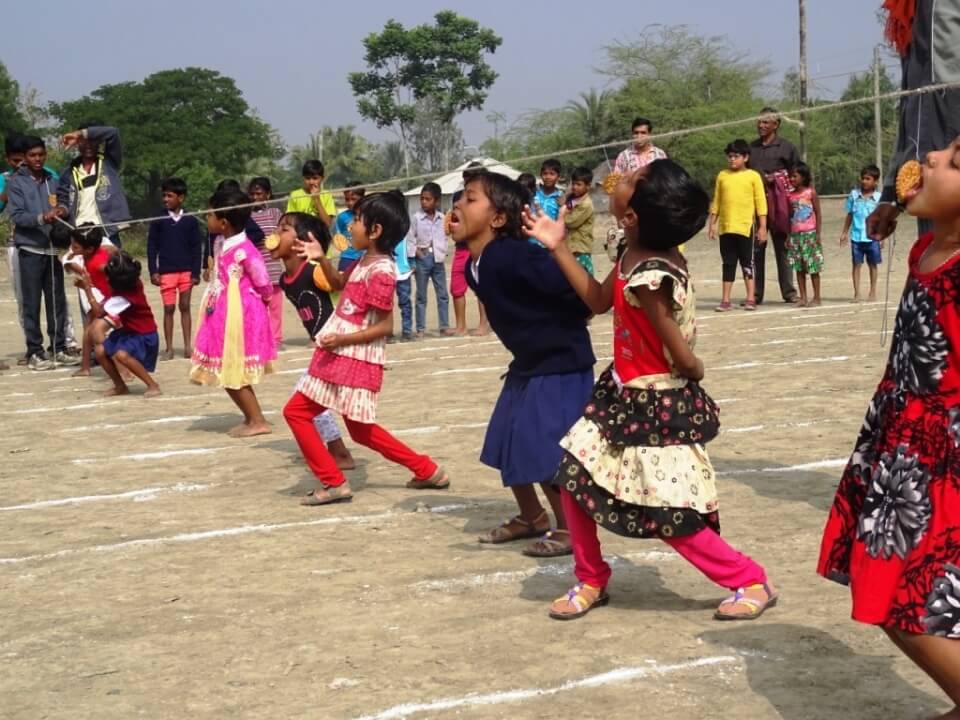
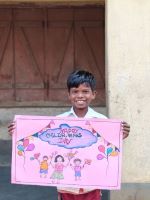 On 14 November 2025, the Andrewspalli Centre for Integrated Development (ACID) celebrated Children’s Day by organising a vibrant children's cultural event. The event took place on the premises of the ACID Learning Centre in Binodpur, a tribal village located within the Bolpur-Sriniketan Community Development Block. Designed to celebrate childhood and promote holistic development, this initiative provided an invaluable platform for children from historically marginalised sections of society. In an area where access to creative expression and personal development opportunities is traditionally limited, this event served as a vital space for self-expression. Aligning with the spirit of children's rights, the celebration underscored the importance of ensuring the comprehensive growth of every child. The program aimed to give young participants a stage to showcase their unique talents through various cultural activities. Beyond individual artistic expression, the event was structured to promote inclusiveness, foster social awareness, and encourage collective efforts toward community development. By bringing the community together, this collaborative gathering successfully strengthened local partnerships, laying a solid foundation for future developmental initiatives in the region.